
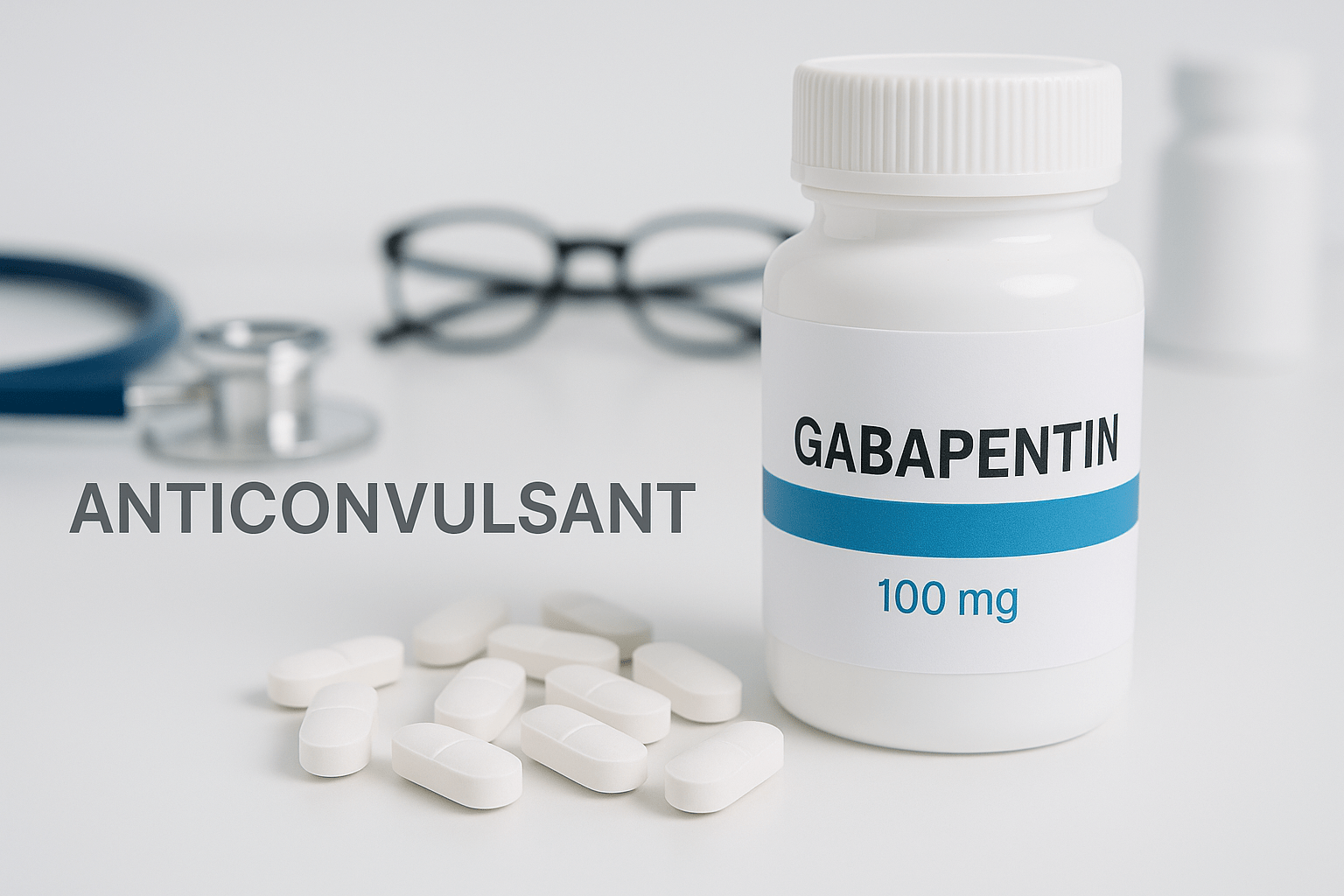
| Product: | Gabapentin (Neurontin) |
|---|---|
| Dosage: | 400 mg, 300 mg |
| Price: | from $1.69 per pill |
| Where To Buy: | Get Pharmacy Online |
Gabapentin, commonly known by its brand name Neurontin, is a prescription medication widely used for partial seizures, nerve pain, and several off-label conditions. Although first developed as an antiepileptic drug, it has become one of the most frequently prescribed medications for chronic pain, neuralgia, and certain anxiety-related disorders. This guide explains how the drug works, how it’s prescribed, possible benefits and risks, and what to expect when using it.
What Gabapentin Is and How It Works
Gabapentin belongs to a class of medications called anticonvulsants, although its action is different from many traditional seizure medications. Instead of acting directly on the GABA receptors (despite its name), it binds to a specific subunit of voltage-gated calcium channels in the nervous system. This lowers the release of excitatory neurotransmitters that fuel seizure activity and nerve pain.
Many patients describe Gabapentin as reducing the “electric,” “burning,” or “shooting” sensations associated with nerve damage. Because it affects nerve signaling rather than general pain pathways, it’s often used when typical pain relievers don’t help.
Gabapentin Prescription: When Doctors Use It
Gabapentin is prescription-only, meaning you need a healthcare provider to evaluate whether it’s appropriate. Doctors commonly prescribe it for:
- Partial seizures (with or without secondary generalization)
- Postherpetic neuralgia (nerve pain after shingles)
- Diabetic neuropathy
- Fibromyalgia
- Neuropathic pain from injuries, surgeries, or chronic conditions
- Restless legs syndrome (RLS)
- Generalized anxiety disorder (off-label)
- Mood stabilization in some patients (off-label)
A typical prescribing decision includes a discussion of symptoms, current medications, kidney function, and any history of drug sensitivity. Gabapentin doses vary widely, from low starting doses like 100–300 mg per day to therapeutic doses that reach 1,800–3,600 mg per day, depending on the condition.
Prescribing Gabapentin Online: What to Know
Online prescribing has become more common, but reputable services follow the same medical standards used in traditional clinics. Here’s what legitimate online prescribing looks like:
- A licensed clinician reviews your medical history.
- You complete a symptom assessment or telehealth consultation.
- The provider checks for contraindications and potential drug interactions.
- The prescription is sent electronically to a local or mail-order pharmacy.
What online clinicians cannot do ethically is offer Gabapentin without an evaluation. In some states, because of rising misuse, gabapentin is treated as a monitored substance. Reliable services will disclose these rules and never offer “instant” prescribing.
Online prescribing can be particularly helpful for chronic pain patients with mobility challenges or for those living in areas with limited access to specialists.
Gabapentin as an Anticonvulsant
Gabapentin’s original use was as an anticonvulsant for people with epilepsy. Although several newer seizure medications have emerged, gabapentin remains a stable option because it is:
- Generally well tolerated
- Easy to titrate
- Less likely to cause severe drug interactions
- Useful as an adjunct therapy (added to another anticonvulsant)
While it is not typically the first-line choice for severe epilepsy syndromes, it plays an important role for adults and adolescents with partial seizures. Some patients use it as monotherapy (alone), though most studies support its use alongside another seizure-control medication.
Gabapentin for Partial Seizures
Partial seizures (also called focal seizures) begin in one part of the brain and may or may not spread. Symptoms can include strange sensations, altered awareness, twitching, or staring spells. Gabapentin helps stabilize irregular electrical activity in these localized brain regions.
Typical treatment characteristics for partial seizures:
- Starting dose: Often 300 mg once daily
- Titration: Slowly increased to two or three daily doses
- Maintenance dose: Ranges from 900 mg to 3,600 mg per day
- Usage: Often paired with medications like lamotrigine or levetiracetam
The slow titration allows patients to adjust to the medication with fewer side effects, especially dizziness or drowsiness. Patients usually notice improvement gradually as the dosage increases.
Gabapentin for Nerve Pain
One of Gabapentin’s most widely accepted uses is the treatment of neuropathic pain, which arises when nerves become damaged or overactive. Traditional pain relievers like NSAIDs often fail in these cases because the issue isn’t inflammation but misfiring nerves.
Gabapentin helps conditions such as:
- Postherpetic neuralgia after shingles
- Diabetic neuropathy
- Sciatica or radiculopathy
- Carpal tunnel syndrome (adjunct)
- Chronic back pain with neuropathic features
- Chemotherapy-induced neuropathy
Patients typically report reduced burning, tingling, stabbing, or shooting sensations. Pain relief often appears after several days to a few weeks as the dose is adjusted to a therapeutic level.
Gabapentin Use in Epilepsy Management
Although not the strongest anticonvulsant for all seizure types, gabapentin is an important tool in epilepsy management, especially when the goal is stability with minimal side effects.
Benefits in epilepsy care:
- Low risk of severe allergic reactions compared with some older drugs
- Rarely causes dangerous interactions with other meds
- Useful when patients need a gentle, predictable medication
- Appropriate for elderly individuals who cannot tolerate stronger agents
Doctors often combine gabapentin with lifestyle recommendations such as sleep regulation, stress management, and avoidance of seizure triggers.
How to Take Gabapentin
Gabapentin comes in capsules, tablets, and oral solution. Because it absorbs best when taken in smaller, spaced-out doses, many patients take it two or three times daily.
General guidelines include:
- Take with or without food, but stay consistent.
- Do not stop suddenly without medical advice (risk of withdrawal symptoms or seizure rebound).
- Follow the titration schedule—jumping to a high dose can increase side effects.
- If you miss a dose, take it when remembered unless it’s close to your next scheduled dose.
Gabapentin is also cleared through the kidneys, so dosage adjustments are required for people with kidney disease.
Side Effects and Safety Considerations
Gabapentin is usually well tolerated but can cause side effects, especially during early treatment or dose changes.
Common effects:
- Drowsiness
- Dizziness
- Fatigue
- Swelling in legs or feet
- Weight gain
- Blurred vision
- Tremor
- Difficulty concentrating
Less common but important effects:
- Mood changes
- Suicidal thoughts (rare but listed for all anticonvulsants)
- Respiratory depression when combined with opioids or sedatives
People taking opioids, benzodiazepines, or alcohol should talk to their doctor because the combination increases sedation risk.
Benefits vs. Risks: Clinical Considerations
Doctors weigh gabapentin’s advantages against daily functioning and symptom relief.
Pros
- Effective for nerve pain that doesn’t respond to other treatments
- Useful for certain types of seizures
- Few major drug interactions
- Generic version widely available and affordable
- Often better tolerated than antidepressants or stronger pain medications
Cons
- Sedation in some patients
- Risk of misuse in certain populations
- Dose adjustments needed for kidney issues
- Not effective for all pain types
- Requires consistent dosing to work well
For most patients with neuropathic symptoms or partial seizures, benefits tend to outweigh risks—especially with proper monitoring.
Common Gabapentin Dosages by Condition
| Condition | Typical Starting Dose | Titration Schedule | Common Maintenance Range |
|---|---|---|---|
| Partial seizures | 300 mg once daily | Increase to 3x daily over several days | 900–3,600 mg/day |
| Postherpetic neuralgia | 300 mg on day 1 | 300 mg twice daily (day 2), 3x daily (day 3) | 1,800–3,600 mg/day |
| Diabetic neuropathy | 100–300 mg daily | Increase every 3–7 days | 900–2,400 mg/day |
| Fibromyalgia | 100 mg at night | Increase as tolerated | 900–2,400 mg/day |
| Anxiety (off-label) | 100–300 mg daily | Adjust based on response | 900–1,800 mg/day |
*Note: Exact doses depend on the individual and medical guidance.*
When Gabapentin Is Not Recommended
Gabapentin may not be a good fit for certain people. Situations requiring caution include:
- Severe kidney impairment
- History of substance misuse
- Pregnancy or breastfeeding (risk–benefit evaluation required)
- Concurrent use with sedatives or opioids
- Previous allergic reaction to gabapentin
Doctors also avoid using gabapentin for non-neuropathic pain, since it often does not help and can cause unnecessary side effects.
How Gabapentin Compares to Other Anticonvulsants
Compared with other seizure medications, gabapentin has:
Advantages
- Fewer interactions than carbamazepine or phenytoin
- Lower risk of severe rash compared with lamotrigine
- Generally safer for older adults
Disadvantages
- Less effective for generalized seizures
- Requires multiple daily doses
- May cause more drowsiness than lamotrigine or levetiracetam in some patients
In neuropathic pain treatment, gabapentin is often compared with pregabalin (Lyrica). Pregabalin works faster and absorbs more predictably, but gabapentin is less expensive and still effective for many people.
Practical Tips for Patients Starting Gabapentin
Patients often find that small adjustments make the medication easier to tolerate:
- Take evening doses earlier if you experience morning grogginess.
- Stay hydrated to reduce dizziness.
- If swelling occurs, elevate legs during rest periods.
- Keep a symptom journal during the first few weeks to track improvements and side effects.
- Avoid alcohol as it increases sedation.
These practical steps help make the titration period smoother and allow your clinician to optimize dosing.
Summary Guide: Key Points About Gabapentin
To wrap up, here are the major takeaways from this complete guide:
Gabapentin helps with:
- Partial seizures
- Epilepsy management
- Nerve pain from conditions like diabetes, shingles, or injuries
- Several off-label uses, including anxiety and restless legs
How it works:
- Reduces abnormal nerve signaling by binding to calcium channels
- Requires consistent dosing to achieve full benefit
Important considerations:
- Titration is gradual
- Do not stop suddenly
- Side effects often improve over time
- Online prescribing is legitimate only when a licensed clinician performs an evaluation
Gabapentin remains a valuable option for millions of patients managing chronic nerve pain or epilepsy. When used safely and thoughtfully, it can significantly improve quality of life.